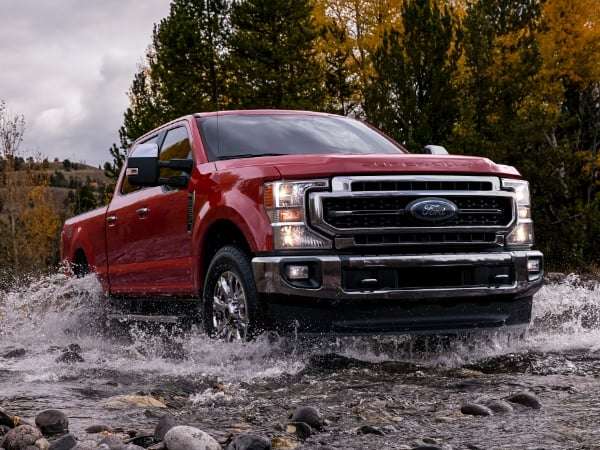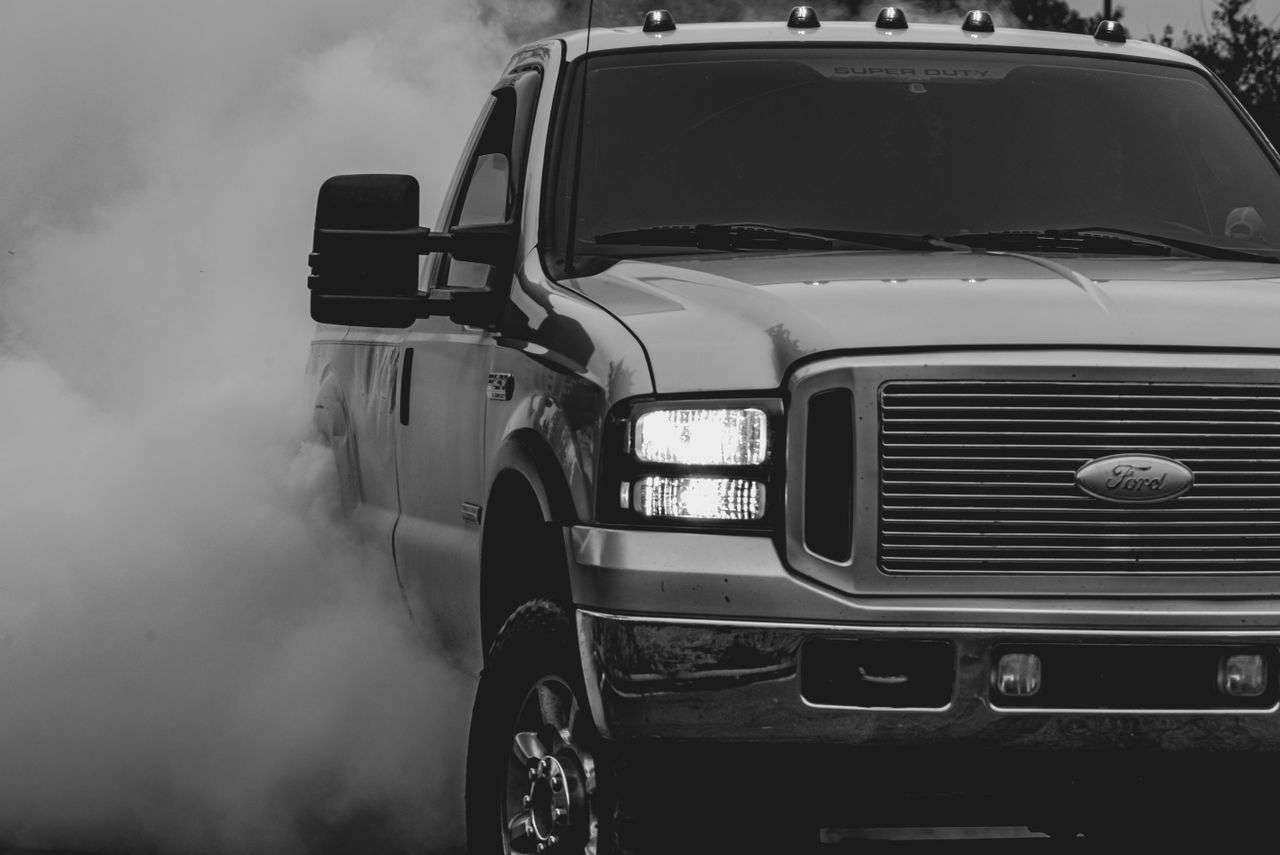
If you have already made up your mind to delete your 6.7 Powerstroke, the tuner is the one decision you cannot afford to get wrong. The pipe and the EGR block-off plates are just metal. The tuner is what tells your truck's computer how to run once those factory parts are gone, and picking the wrong one is how people end up stuck in limp mode on the side of the highway.
This guide cuts straight to it. We will recommend the top tuners worth buying, explain what separates them, and the part most articles gloss over, which is matching the tuner to your exact model year. A 2013 truck and a 2020 truck are not the same animal, and buying the wrong box is the fastest way to waste money.
What a Tuner Actually Does After a Delete
When you pull the DPF, EGR, and DEF hardware off a 6.7 Powerstroke, the ECU keeps looking for parts that are no longer there. It sees missing sensors, throws a check engine light, and eventually drops the truck into limp mode to protect itself. A good 6.7 Powerstroke tuner rewrites that programming so the computer stops hunting for deleted components and runs clean on the new setup.
That is the baseline job. The upside is where it gets good. A proper delete tune adds power, sharpens throttle response, and stops the engine from wasting fuel on regen cycles it no longer needs to run.
|
What the tuner delivers |
Real-world result |
|
ECU recalibration |
No check engine light, no limp mode after delete |
|
Added horsepower and torque |
Commonly 50 to 150+ HP depending on tune level |
|
Better fuel economy |
Many owners report 3 to 5 MPG gains in mixed driving |
|
Multiple tune levels |
Switch between economy, tow, and performance |
|
Cleaner engine operation |
No soot cycling back through the intake |
One thing worth being straight about. A tuner handles the electronics only. It cannot physically remove your filters. To see the gains above, the tuner has to be paired with the delete hardware. Software and hardware work as a set, not a substitute for each other.
The Best Tuners for a 6.7 Powerstroke Delete
Three tuners dominate this space for a reason. Each one suits a different kind of owner, so match the tool to how you actually use your truck.
EZ Lynk Auto Agent
The EZ Lynk is the modern default, and it earns that spot. Instead of a screen bolted to your dash, it plugs into the OBD-II port and connects to your phone. Your tuner sends custom files straight to the app over the internet, which means updates and support without ever hooking up to a laptop.
It is the best pick for anyone who wants custom tuning from a pro shop and the flexibility to adjust power levels from their phone. If your setup is a bit unusual or you plan to add mods later, the EZ Lynk gives your tuner room to dial the file in for your specific truck. That is exactly why we include it in our delete kits, so the tuning is handled for you from day one.
H&S Mini Maxx
The Mini Maxx is the old reliable of the diesel world. It is a dash-mounted screen that comes pre-loaded with delete tunes, so on the right truck it is close to plug-and-play. Owners trust it because it is simple, it clears codes, and it just works.
The screen doubles as a gauge display, showing EGTs, boost, and other numbers you want eyes on when you are towing heavy. If you want a proven, all-in-one box and you are not chasing the absolute latest tech, the Mini Maxx is still a champion. Note that it fits older model years far better than the newest trucks.
SCT X4
The SCT X4 is the value play. It holds up to ten tune files, it is easy to navigate, and a huge number of custom tuners write their delete files on the SCT platform. That last point matters. It means you are not locked out of professional tuning just because you spent less on the hardware.
It is the right call for owners on a tighter budget who still want access to real custom tunes and solid data logging. You give up shift-on-the-fly compared to the EZ Lynk, but you keep the tuning options that count.
Match the Tuner to Your Model Year
This is the section that saves you a return shipment. Ford changed the 6.7 Powerstroke engine and its computer security more than once, and a tuner that works flawlessly on a 2013 may not touch a 2021 at all. Know your year before you buy anything. We build delete kits across the full range of Powerstroke years, so match your truck to the right group below.
|
Model year range |
Tuner difficulty |
Notes |
|
Powerstroke 2008 to 2010 |
Straightforward |
The 6.4L years. Well-supported delete tuning with strong gains. |
|
Powerstroke 2011 to 2019 |
Easiest |
Mini Maxx, EZ Lynk, and SCT X4 all work well. Most options, best gains. |
|
Powerstroke 2020 to 2022 |
Harder |
Locked-down ECU, often needs an unlock. Fewer tools, higher cost. |
|
Powerstroke 2023 to 2026 |
Harder |
Newest security. Confirm exact-year support before buying. |
Powerstroke 2008 to 2010
These are the 6.4L years, and they remain a solid platform for a delete. Tuning support is well established, the hardware is proven, and owners see strong power and drivability gains once the emissions parts are gone. If you run one of these trucks, you have a straightforward path to a clean delete setup.
Powerstroke 2011 to 2019
These are the easy years, and if you own one you are in the best possible spot. The Mini Maxx, EZ Lynk, and SCT X4 all support these trucks, and this is where you find the widest selection and the strongest performance gains. Almost any reputable delete tuner will fit.
2017 6.7 Powerstroke
The 2017 sits in the sweet spot of that 2011 to 2019 window, so it is one of the easier trucks to tune and delete. All three top tuners support it. The EZ Lynk is the popular choice for 2017 owners who want custom files and phone control, while the Mini Maxx suits anyone who prefers a pre-loaded, dash-mounted setup. You will not run into the locked-computer headaches that later model years bring.
Powerstroke 2020 to 2022
Newer trucks are a different story. Ford tightened the computer security significantly, and these years often require an ECM unlock plus specialized tools. Options exist and the gains are still there, but the install demands more care. If you have a 2020 to 2022 truck, confirm in writing that any tuner you are looking at specifically supports your exact year before you spend a dollar.
Powerstroke 2023 to 2026
The newest Powerstroke years carry the tightest security yet. Deleting and tuning these trucks is very doable, but it calls for the latest tools and exact-year compatibility. Check that your kit and tuner are confirmed for a 2023 or 2026 truck specifically, since support here moves fast and the wrong box will not work.
What a Tuner Means for Your Truck Long Term
Running a tuner does not shorten your truck's life when it is done right. In most cases it extends it, since a clean tune ends the emissions headaches that wear these engines down. The thing to keep in mind is that more power asks a little more of the truck, so how you run the tuner matters over the long haul.
-
Run a quality tune matched to your setup, not the most aggressive file you can find. The right power level gives you the gains while protecting the engine and drivetrain.
-
Stay on top of oil changes. Added power means the oil works harder, so keep your intervals tight rather than stretching them.
-
Match your power level to the job. Drop to a tow or economy tune when you are hauling and save the higher levels for when the truck is unloaded.
-
If you run an automatic and push higher power, pay attention to how it shifts. Persistent hard or slipping shifts are a sign the tune level is asking more than the transmission wants to give.
Keep the power sensible and the maintenance current, and the tuner becomes what it should be, a long-term upgrade rather than a strain on the truck.
How to Choose, Quickly
If you want the short version, weigh these five things and you will land on the right box.
-
Model year fit, which is non-negotiable and comes before everything else
-
Custom versus pre-loaded tunes, depending on how dialed-in you want the setup
-
Shift-on-the-fly, if you want to swap tow and performance levels while driving
-
Display, whether you want a dash gauge screen or you are fine using your phone
-
Support, because a tuner backed by real tech help is worth paying for when an install gets tricky
For most 2011 to 2019 owners, the EZ Lynk is the hard-to-beat all-rounder. If you want simple and proven, the Mini Maxx still delivers. On a budget, the SCT X4 gets you custom-tune access without the top price. Whichever you choose, remember the box is only half the job.
Pairing it with a proper 6.7 Powerstroke delete kit is what turns the tune into real power on the road.
Frequently Asked Questions
Do I really need a tuner after deleting my 6.7 Powerstroke?
Yes. Without one, the ECU keeps looking for the deleted emissions parts, throws a check engine light, and eventually forces the truck into limp mode. The tuner is what makes the delete run properly.
What is the best tuner for a 2017 6.7 Powerstroke?
The 2017 supports all three top options. The EZ Lynk is best for custom tuning and phone control, while the H&S Mini Maxx is the easy pre-loaded choice. Both handle EGR and DPF deletes on that year without trouble.
Can I run a delete tune on a stock truck?
You should not. Delete tunes are built to run without the DPF and EGR in place. Loading one on a truck that still has its filters can clog the DPF fast.
Will a tuner alone add power?
A tuner adds power, but the full gains come from pairing it with the delete hardware. The software and the pipe work together. One without the other leaves performance on the table.
How much horsepower does a delete tuner add?
Depending on the tune level, most owners see anywhere from 50 to 150 or more horsepower, along with a noticeable jump in torque and throttle response.