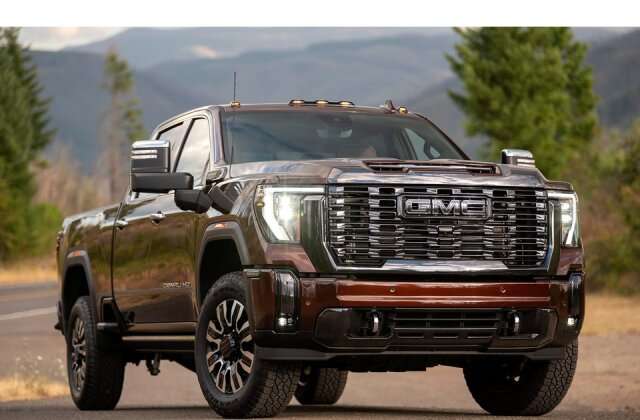
If you own a modern diesel, you already know the DEF system is one of the biggest sources of headaches on the truck. The warnings, the sensor faults, the derate countdowns that can drop a heavy truck to a crawl right when you need it most. Removing it is one of the most common upgrades in the diesel world, and done properly it clears out a whole category of problems for good.
This is the practical guide to how a DEF delete actually works. We will walk through what the system does, what removing it involves step by step, and how to confirm the job is done right. If the guy at your local shop can do this, so can you, and we will explain it plainly enough to prove it.
What the DEF System Actually Does
Before you pull anything, it helps to understand what you are removing. DEF stands for Diesel Exhaust Fluid, a mix of about 32.5 percent urea and 67.5 percent deionized water. It is not fuel, it does not add power, and it never goes in the diesel tank. It lives in its own tank and gets injected into the hot exhaust stream after combustion.
Here is the chain. The truck sprays DEF into the exhaust, where it breaks down into ammonia. That ammonia passes through the SCR catalyst and reacts with the nitrogen oxides in the exhaust, turning them into nitrogen and water vapor. From everything above, the only thing you really need to hold onto is this, the system works on the exhaust after the engine has already made its power, so it does nothing for how the truck runs.
That is why the system is a reliability liability rather than a performance part. It does nothing for how the truck drives, but it brings a stack of components that love to fail.
|
DEF system part |
What it does |
Why it fails |
|
DEF tank and heater |
Stores the fluid, thaws it in winter |
DEF freezes near 12°F, heater and level sensor faults are common |
|
DEF pump |
Pressurizes the fluid for injection |
Wears out, crystallizes, throws pressure faults |
|
DEF injector or dosing valve |
Sprays DEF into the exhaust |
Crystallizes and clogs, builds up urea deposits |
|
NOx sensors |
Measure exhaust before and after the SCR |
Fail often, wiring corrodes, throw derate codes |
|
SCR catalyst |
Converts NOx to nitrogen and water |
Efficiency codes, contamination |
Any one of those failing can put the truck into a countdown toward limp mode. That is the frustration that sends most owners looking to delete in the first place.
The One Thing to Understand Before You Start
Here is the honest truth that a lot of guides skate past. On modern trucks you cannot just unplug the DEF system on its own and drive away. The computer ties the DEF, SCR, DPF, EGR, and NOx logic together into one emissions strategy. Pull the DEF hardware without addressing the tune and the ECU will light up with codes and drop into limp mode within a few miles.
That means a proper DEF delete is really part of a full delete. The hardware comes off and a tune goes on that tells the computer to stop looking for all of it. This is why every real delete has two halves working together, the parts and the tune. Skip the tune and you have a truck that runs worse than stock. This is also why the def fluid delete is sold as part of a complete kit rather than a standalone part, so the hardware and calibration are matched from the start.
How a DEF Delete Works, Step by Step
With that understood, here is the shape of the job. This is the general process across platforms, and your specific kit will have the exact details for your truck. None of it is beyond a capable weekend in the garage.
-
Get set up safely. Park on level ground, let the exhaust cool completely, and disconnect the battery. You will be working around hot exhaust components and electrical connectors, so there is no reason to rush this part.
-
Get the truck up on jack stands so you have clean access to the exhaust and the DEF components underneath.
-
Disconnect the DEF hardware. Unplug the electrical connectors at the DEF pump, the DEF injector, and the NOx sensors. Take your time here and note where each connector goes.
-
Remove the DEF injector and the SCR section from the exhaust. This is where the fluid was being dosed in, so it comes out as part of clearing the system.
-
Fit the block-off plates and delete pipe. Where the SCR and DEF dosing hardware came out, the kit's plates and pipe seal everything back up so there are no exhaust leaks.
-
Load the delete tune. This is the step that makes it all work. The tune reprograms the ECU so it no longer monitors the DEF, SCR, or NOx system, which is what stops the codes and keeps the truck out of limp mode.
-
Clear any stored codes with a scan tool and check your work before the truck goes back to normal use.

A few things worth knowing before you turn a wrench, because this is where people trip up.
-
Do not load the tune before the hardware is on. The tune expects the DEF and SCR gone, so flashing it first can leave you chasing problems. Hardware first, tune last.
-
Spray the exhaust and sensor bolts with penetrating oil the night before. Rust is the number one thing that turns a clean afternoon into a fight, so give it time to work.
-
Watch the NOx sensor connectors as you unplug them. They corrode and seize, and forcing a stuck connector is how you snap one. Ease them apart.
-
Do not leave the block-off plates loose. An unsealed plate means an exhaust leak, so seat the gaskets and torque everything down once the section is aligned.
-
Keep your battery charged during the flash. A voltage drop mid-tune is one of the most common ways a flash goes wrong and leaves the truck unhappy, so put a charger on it if you have one.
The physical removal is well within reach for anyone comfortable with basic exhaust work. The tune is the part that separates a clean delete from a truck full of warning lights, so follow your kit's tuning steps in order and do not drive it for normal use until the flash is done.
How to Confirm the DEF Delete Worked
Once the hardware is off and the tune is loaded, verify the job before you trust it. A clean DEF delete should show these signs.
-
No DEF or SCR warning messages on the dash, and no NOx sensor codes stored
-
No derate countdown and no limp mode during normal driving
-
No "Service DEF System" or "Exhaust Fluid System Fault" messages coming back
-
A clean idle and normal throttle response after the tune is flashed
-
No exhaust leaks around the block-off plates and new pipe
If a DEF or NOx code comes back or the truck still tries to derate, that almost always points to the tune not matching the hardware or a step missed during the flash. That is exactly the headache a properly matched kit is built to avoid, which is why buying the parts and tune together for your exact year and truck matters so much. If you hit a snag or have a question mid-install, you can always talk to our experts and get a straight answer before you go any further.
The Bottom Line
Removing the DEF system clears out one of the most failure-prone parts of any modern diesel, and the process itself is straightforward once you understand that the hardware and the tune have to work as a set. Get a kit matched to your exact truck, follow the removal and tuning steps in order, and confirm the truck runs clean before you put it back to work. Do that and you trade a constant source of warnings and derates for a truck that just runs.
Frequently Asked Questions
Can you delete the DEF system by itself?
Not cleanly on a modern truck. The ECU links the DEF, SCR, DPF, and NOx systems together, so removing the DEF hardware requires a tune that accounts for all of it. Otherwise the truck throws codes and drops into limp mode. A proper DEF delete is done as part of a full delete.
Do I need a tuner to delete the DEF system?
Yes. The tune is what stops the computer from looking for the DEF and SCR components after they are gone. Without it, the removal will trigger warnings and a derate. The hardware and the tune work together.
What does the DEF system do?
It injects Diesel Exhaust Fluid into the exhaust, where it reacts with the SCR catalyst to turn nitrogen oxides into nitrogen and water vapor. It cleans up the exhaust after combustion and does nothing for engine power.
Why do people remove the DEF system?
Mostly reliability. The DEF pump, injector, NOx sensors, and heater are common failure points, and a single fault can drop the truck into a limp mode countdown. Removing the system clears those failure points and the recurring cost that comes with them.
How can I tell if the DEF delete worked?
No DEF, SCR, or NOx warning messages, no derate or limp mode, a clean idle, and no exhaust leaks around the block-off plates. A scan tool confirms there are no stored emissions codes after the tune is flashed.