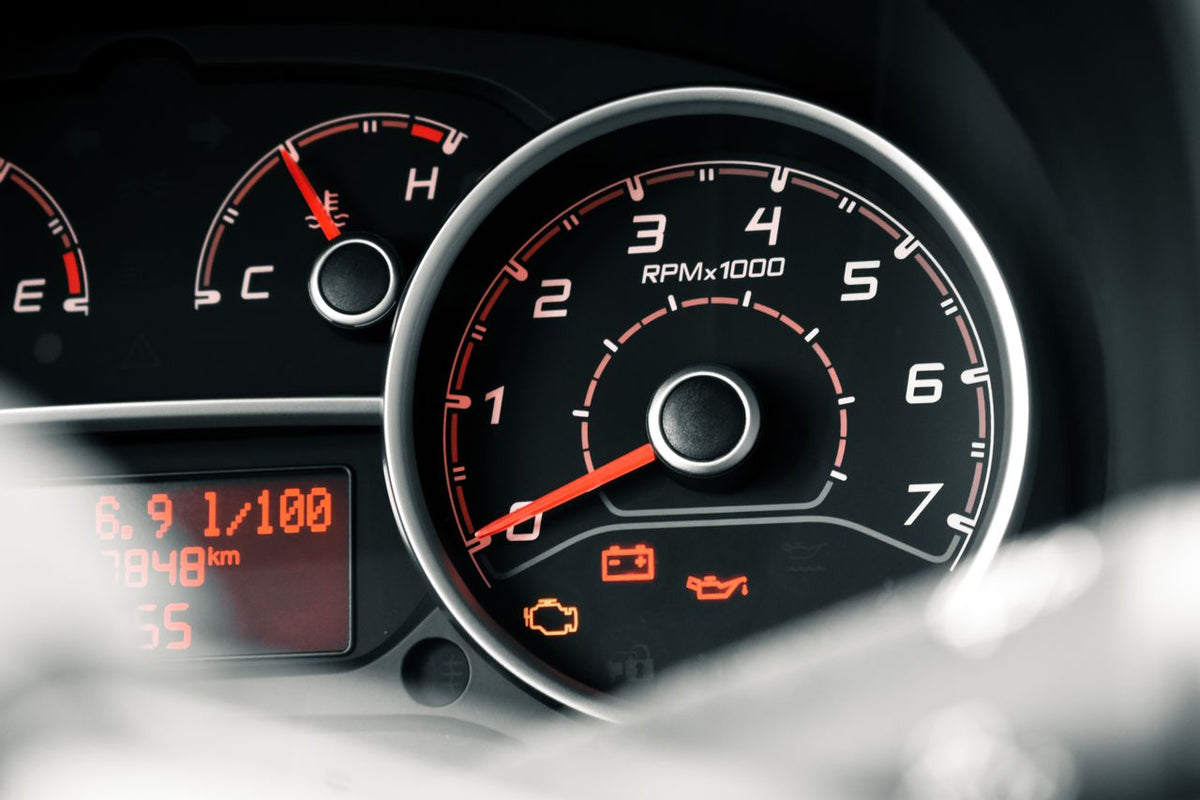
If your truck has thrown a P0404 code, the issue is with how your EGR valve is moving, not how much it flows or how well it cools. The computer commanded the valve to a certain position and the feedback did not match what it expected. It is a common EGR code across Chevy, Dodge, and Ford diesels, and the good news is the causes are well understood.
This guide breaks down what P0404 actually means, what sets it off, and how to work through the fix from cheapest to most permanent.
Key Takeaways:
-
P0404 means EGR Circuit Range/Performance, the valve is not moving to its commanded position correctly.
-
Carbon buildup on the valve is the single most common cause across all makes.
-
It can also come from a bad EGR position sensor, wiring faults, or a worn valve.
-
Symptoms include a check engine light, rough idle, hesitation, and reduced power.
-
You can drive on it briefly, but ignoring it risks worse running and eventual engine strain.
What the P0404 Code Means
P0404 is defined as Exhaust Gas Recirculation Circuit Range/Performance. In plain terms, the PCM told the EGR valve to move to a position, open, closed, or somewhere between, and the position feedback came back outside the expected range. The valve is not doing what it was told, or the computer cannot confirm that it is.
Here is the background. The EGR valve opens and closes to meter exhaust gas back into the intake, and it reports its position to the computer through a sensor. The PCM watches that movement closely. When the valve sticks, moves jerkily, or the feedback signal drifts out of range, the code sets. The most common real-world version is a valve partly stuck from carbon on the pintle, so it cannot reach the position the computer commanded.
This is what sets P0404 apart from its EGR-code cousins. It is specifically about valve position and movement, not about insufficient flow or a cooler losing efficiency.
What Causes a P0404 Code
Across Chevy, Dodge, and Ford diesels, the causes follow a familiar pattern, and one dominates the rest.
Carbon buildup is the number one cause by a wide margin. The EGR system constantly moves sooty exhaust through the valve, and that soot cakes onto the valve and its pintle over time. Once enough builds up, the valve sticks or binds and cannot move freely to its commanded position, which is exactly what trips P0404.
Beyond carbon, the usual suspects are a faulty EGR position sensor feeding the computer bad readings, wiring or connector problems in the EGR circuit, a worn or failing EGR valve that can no longer hit its target reliably, and less often, a PCM that needs reflashing or has a genuine fault. On diesels specifically, the sheer volume of soot these systems handle is why carbon keeps coming back as the root cause.
|
Cause |
What’s happening |
|
Carbon buildup on the valve |
Soot binds the pintle so it sticks and cannot reach position |
|
Faulty EGR position sensor |
Reports wrong position, so the PCM sees a mismatch |
|
Wiring or connector faults |
Broken, frayed, or corroded wiring in the EGR circuit |
|
Worn or failing EGR valve |
Internal wear means it cannot hit the commanded position |
|
PCM fault or outdated calibration |
Rarely, the module misreads a good signal or needs reflashing |
Symptoms of a P0404 Code
The code usually shows up with a few drivability signs alongside the dash light.
-
A check engine light, steady or occasionally flashing
-
Rough or unstable idle
-
Hesitation or stumble under acceleration
-
Noticeably reduced power
-
A rise in emissions and sometimes worse fuel economy
The symptoms tend to be mild at first and get more noticeable as the valve binds further, which is why people often let this one linger longer than they should.

Can You Drive With a P0404 Code
You can drive with P0404 for a short while. The truck will run and get you where you need to go, so finishing the work week and getting it addressed soon is reasonable. It is not a pull-over-immediately emergency.
The reason not to leave it is what a stuck EGR valve does over time. A valve stuck open floods the intake with exhaust when it should not, which brings on rough running and can raise combustion stress. A valve stuck closed defeats the purpose of the system and runs temperatures up. Either way, the longer it sits, the more the running problems compound, and on a diesel that extra strain is not worth the risk of a bigger repair. Drive the miles you genuinely need, then sort the cause.
How to Fix a P0404 on a Chevy, Dodge, or Ford Diesel
Work from the cheapest, most likely causes toward the bigger ones and you will usually land on it fast.
Start with the valve itself, since carbon is the most common culprit. Remove and inspect the EGR valve, and clean the carbon off the valve and pintle thoroughly. On many trucks a good cleaning restores proper movement and clears the code. While you are there, check the EGR system passages for buildup too, since a clogged path adds to the problem.
If cleaning does not hold, move to the electronics. Test the EGR position sensor and inspect the wiring and connectors in the circuit for damage, corrosion, or a loose pin, since a bad sensor or signal can set P0404 even with a clean valve. Clearing the code and seeing whether it returns tells you whether you fixed it or need to keep looking. If the valve is worn out rather than just dirty, replacement is the conventional repair.
Here is the pattern diesel owners run into, though. Clean the valve and the soot comes back. Replace it and the new one faces the same carbon. The EGR system keeps cycling the same sooty exhaust through the same valve, so the fault often returns.
The Permanent Route: Removing the EGR System
For owners tired of chasing a recurring EGR fault, taking the system off the truck removes the source of the problem for good. No valve to stick, no carbon to bind it, no P0404.
An EGR delete kit removes the valve and cooler and seals the system, paired with a tune so the truck runs clean without the hardware. It is a bigger step than cleaning a valve, and it changes the emissions configuration of the truck, so it is a decision to weigh against how you use your rig. But for owners who want a permanent end to recurring EGR problems rather than cleaning the same part again next year, it removes the issue at its source. This is the same EGR weakness that shows up as a flow fault, which we cover in our breakdown of the P0401 code.
Frequently Asked Questions
What does a P0404 code mean?
It means EGR Circuit Range/Performance, the EGR valve is not moving to its commanded position correctly. The computer told the valve where to go, and the position feedback came back out of range, usually because the valve is stuck.
What is the most common cause of P0404?
Carbon buildup on the EGR valve. Soot binds the valve so it cannot move freely to its commanded position. It can also come from a bad position sensor, wiring faults, or a worn valve, but carbon leads the list on diesels.
Can I drive with a P0404 code?
Short term, yes. The truck will run, so getting it home or to a shop is fine. But a stuck EGR valve causes rough running and raises engine stress over time, so do not leave it for months.
What is the difference between P0404 and P0401?
P0404 is about the valve’s position and movement being out of range. P0401 is about insufficient EGR flow. They are related EGR faults but point to different problems, position versus flow.
Will cleaning the EGR valve fix P0404?
Often, yes, when carbon is the cause. Cleaning the valve and pintle restores proper movement and can clear the code. The catch is that soot rebuilds over time, so the fault can return, which is why some owners remove the system entirely.