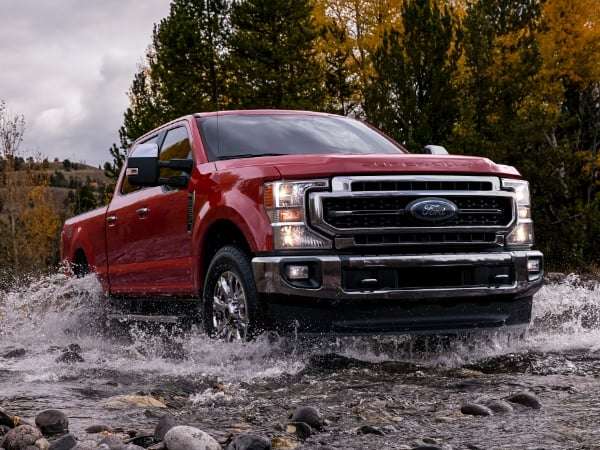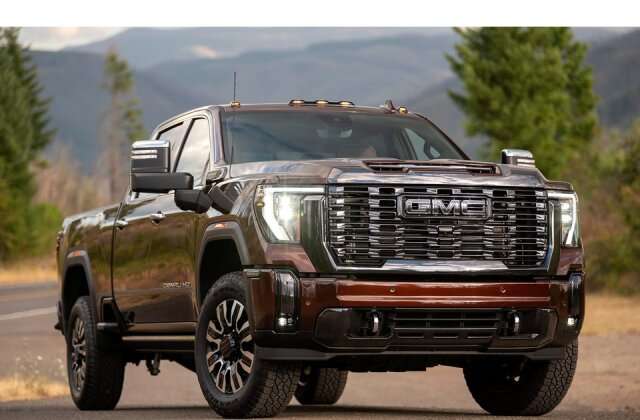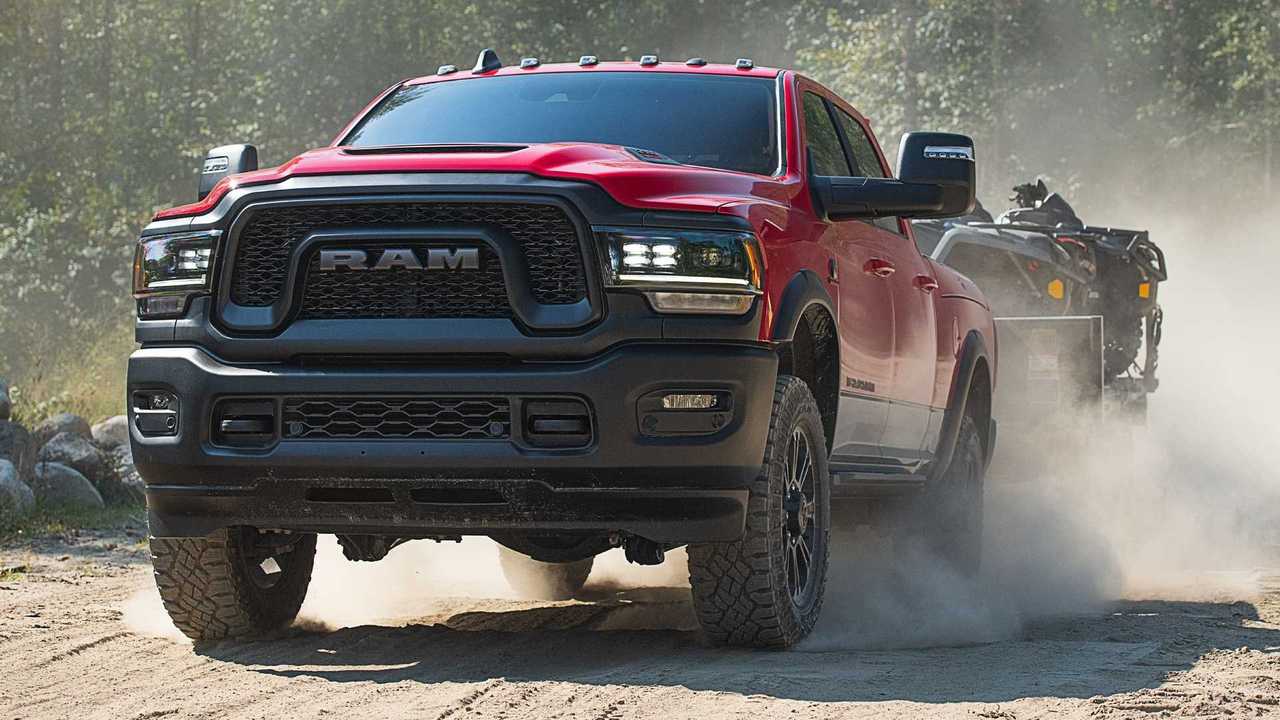
Deleting a diesel truck means physically removing the factory emissions equipment - the DPF, EGR, DEF/SCR system, and sometimes the catalytic converter - and reprogramming the ECM with a tune that tells the truck those components are no longer there. The result is a truck that runs cleaner internally, makes more reliable power, gets noticeably better fuel economy, and never throws another regen cycle.
If you've been around diesel trucks for any length of time, you've heard guys talk about their "deleted" 6.7 Cummins or "fully deleted" Powerstroke. What they're describing is one of the most common - and most misunderstood - modifications in the diesel world. Let's break down exactly what's happening, why people do it, what it costs, and what you actually get out of it.
What "Deleting" Actually Means
Modern diesel trucks (roughly 2007.5 and newer in most platforms) came from the factory loaded with emissions equipment to meet Tier standards. The trucks themselves are mechanically capable of producing more power and getting better mileage than they do off the lot - the emissions system is what's holding them back, and in many cases, what's causing them to break.
A delete is the process of removing that emissions equipment and rewriting the truck's computer so it doesn't expect to see those components anymore. You can't just unbolt a DPF and drive off - the ECM will see the missing sensors, throw codes, and put the truck into limp mode within a few miles. That's why every real delete involves two parts working together: the hardware (delete pipe, EGR block-off plate, DEF delete kit) and the tune that tells the ECM to ignore what's been removed.
What Gets Removed When You Delete a Diesel
There are four main components that typically come off, and a "full delete" usually means all of them.
The DPF (Diesel Particulate Filter)
The DPF is a honeycomb filter in the exhaust that traps soot. Periodically the truck runs a "regen" cycle, dumping raw fuel into the exhaust to burn off accumulated soot at extreme temperatures. Regens kill fuel economy, dilute oil with diesel (a common cause of bearing failure down the line), and DPFs themselves clog and crack - replacement at the dealer can run $3,000 to $5,000+ per filter. Removing the DPF and installing a straight pipe eliminates regens entirely.
The EGR (Exhaust Gas Recirculation) System
The EGR routes hot exhaust gas back into the intake to lower combustion temperatures. The problem is it also dumps soot and oil vapor into your intake manifold, where it bakes into a thick carbon crust that restricts airflow and chokes the engine over time. EGR coolers also crack - particularly notorious on 6.0 and 6.4 Powerstrokes - and when they do, they can dump coolant into the cylinders, hydrolocking the engine. An EGR delete blocks off the system entirely with a plate and removes the cooler from the loop.
The DEF/SCR System
Diesel Exhaust Fluid (DEF) is the urea-based fluid you fill in that little blue cap. It gets injected into the SCR catalyst as part of the emissions process. The SCR system is sensor-heavy, expensive to repair, and a common source of derate-mode headaches - the truck will progressively reduce power and eventually limit you to 5 mph if the system faults. A DEF delete removes all of it, including the tank, lines, injector, and NOx sensors.
The Catalytic Converter
Less commonly discussed but often part of a full delete on certain platforms. Removing the cat further reduces back pressure and exhaust gas temperatures.
Why Do People Delete Their Diesel Trucks?

The reasons fall into three buckets, and most owners are motivated by some combination of all three.
The first is reliability. The emissions systems on 6.4 Powerstrokes, early 6.7 Cummins, LML Duramaxes, and similar platforms are well-documented sources of catastrophic and expensive failures. EGR coolers crack. DPFs clog. SCR systems derate trucks at the worst possible times. For someone using their truck to make a living, an emissions failure on a Tuesday morning isn't an inconvenience - it's lost income.
The second is fuel economy. A deleted and properly tuned 6.7 Cummins or Duramax routinely picks up 3-6 MPG, sometimes more under load. Over 100,000 miles of towing, that math adds up fast - we're talking thousands of dollars in fuel savings on a truck that's also breaking down less often.
The third is performance. Without regens, restrictive exhaust, and intake-clogging EGR flow, the engine breathes the way it was designed to. Combined with a quality tuner, you're looking at meaningful gains in horsepower, torque, and throttle response. Trucks that felt sluggish from the factory wake up dramatically.
If you're researching specific platforms, our 6.7 Cummins delete kits and 6.7 Powerstroke delete bundles are organized by year range and include everything you need on the hardware side.
What You Need to Actually Delete a Diesel
A complete delete requires three things working together. First, the delete hardware - typically a DPF delete pipe, EGR delete kit with block-off plates, and a DEF delete kit appropriate for your specific year and model. Second, a tuner that supports a delete tune for your platform, with the proper file loaded for what you've physically removed. And third, the time and tools to install it (or a shop that knows what they're doing).
That last point matters more than people realize. A botched delete - wrong tune file, missed sensor, leaky exhaust connection - turns into a nightmare of codes and limp-mode events. If you're not confident with the install, find a diesel shop that does this work routinely. The wrong shop is worse than no shop.
For owners who want to go further, aftermarket tuners and programmers handle not just the delete tune but also towing tunes, economy tunes, and performance tunes you can switch between on the fly depending on what the truck is doing that day.
What It Costs
A full delete on most modern diesel platforms runs roughly $1,500 to $3,500 in parts, depending on the brand of tuner you choose and how complete the kit is. Add another $500 to $1,500 for professional installation if you're not doing it yourself. That sounds like a lot until you compare it to a single failed DPF replacement at the dealer, which can match the entire cost of a delete on its own.
The math gets even more favorable when you factor in the fuel savings. At 4 extra MPG averaged across a working truck putting on 25,000 miles a year, you're looking at meaningful annual savings that pay back the install in roughly 18 to 36 months - and the truck keeps paying you back every year after that.
Is Deleting Worth It?
For a truck that's used hard - working, towing heavy, racing, pulling sleds, or living off-road on a farm or jobsite - the answer is almost always yes. Better fuel economy, fewer breakdowns, lower long-term cost of ownership, and a truck that runs the way it was mechanically designed to run.
The diesel community has been deleting trucks for nearly two decades. The knowledge is out there, the parts are proven, and the results are real. Whether it's the right move for your specific truck and your specific use case comes down to what you're asking the truck to do and how long you plan to keep it. For most working diesel owners, once they've driven a properly deleted truck, they don't go back.